

Portrait
Environmental Practice Portraits
A reusable image-generation prompt for portraits that reveal a person through the tools, materials, and workspace of their practice.
Featured real result
What this prompt produced
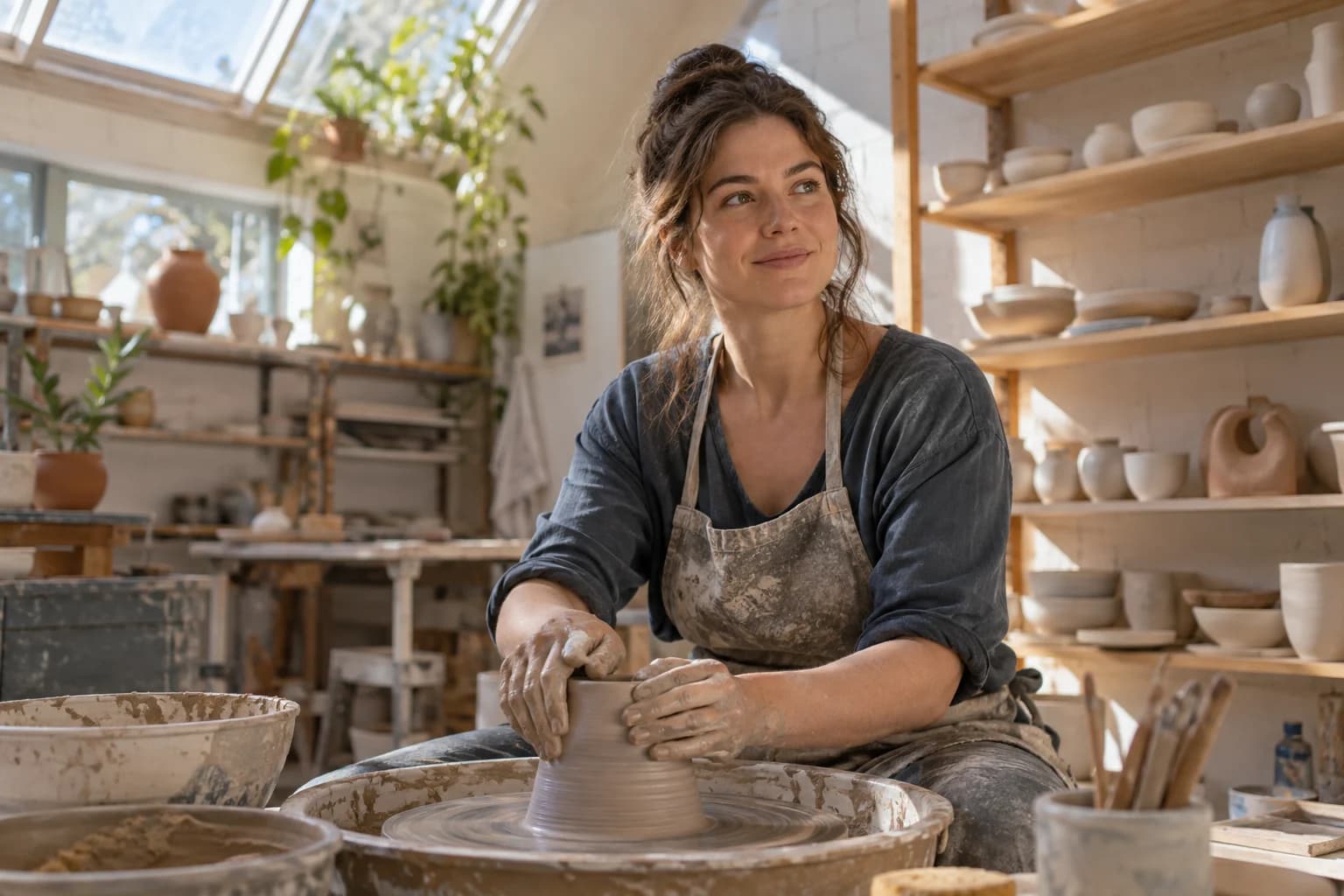
Demo 1 keeps the a ceramicist as the clear focal direction while preserving the prompt's a seated three-quarter portrait beside the wheel and soft north-facing window light.
The master prompt
Create a 3:2 environmental portrait series for a prompt about a person shown through a meaningful workspace. Subject: [SUBJECT]. Workspace: [WORKSPACE]. Composition: [COMPOSITION]. Lighting: [LIGHTING]. Palette: [PALETTE]. Show a natural editorial portrait where the environment communicates the person's practice without text or logos, with expressive but understated body language, believable anatomy, and photographic detail. No watermark, extra limbs, distorted hands, or recognizable brands.
Visual direction
Style: Natural editorial portraiture where tools and surroundings communicate the subject's practice.
Lighting: Window, skylight, greenhouse, and practical light reveal both face and working environment.
Composition: The person stays emotionally legible while the workspace supplies narrative context and depth.
Variables
- SUBJECT — person and practice
- WORKSPACE — meaningful environment and tools
- COMPOSITION — environmental portrait framing
- LIGHTING — natural or practical light
- PALETTE — workspace color direction
How to use it
- Choose a practice with visible, non-identifying environmental cues.
- Keep the prompt stable when comparing different workspaces.
- Review anatomy, likeness, privacy, and consent before use.
Same master prompt, different variables
Demo variations
Demo 01
a ceramicist
- WORKSPACE
- a sunlit studio with wheel, shelves, and drying clay forms
- COMPOSITION
- a seated three-quarter portrait beside the wheel
- LIGHTING
- soft north-facing window light
- PALETTE
- clay, cream, and muted indigo
Demo 1 keeps the a ceramicist as the clear focal direction while preserving the prompt's a seated three-quarter portrait beside the wheel and soft north-facing window light.
Demo 02
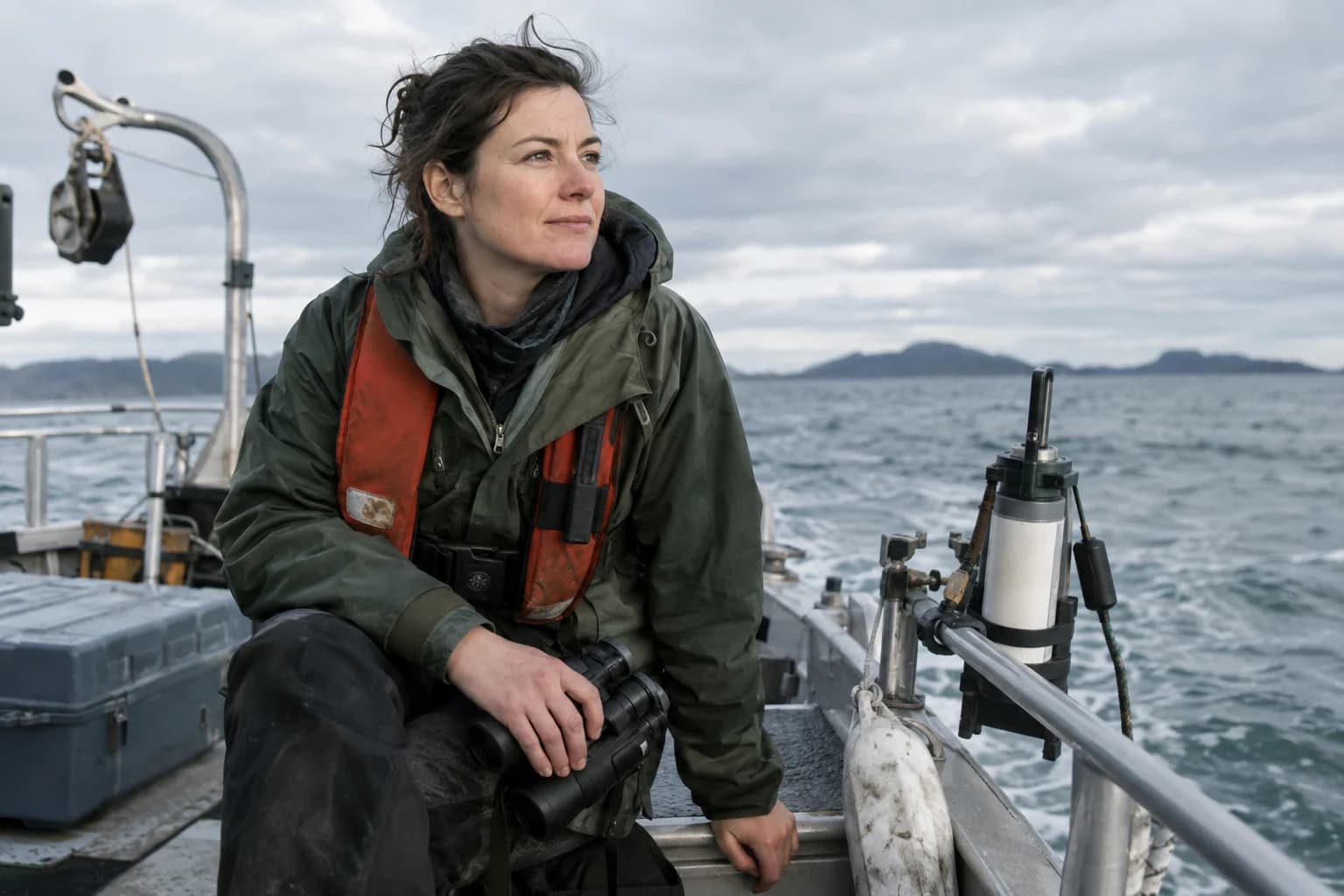
a bicycle frame builder
- WORKSPACE
- a compact workshop with steel tubes and a repair stand
- COMPOSITION
- a standing environmental portrait framed by the workbench
- LIGHTING
- directional skylight with gentle shadow
- PALETTE
- steel gray, rust, and denim
Demo 2 keeps the a bicycle frame builder as the clear focal direction while preserving the prompt's a standing environmental portrait framed by the workbench and directional skylight with gentle shadow.
Demo 03
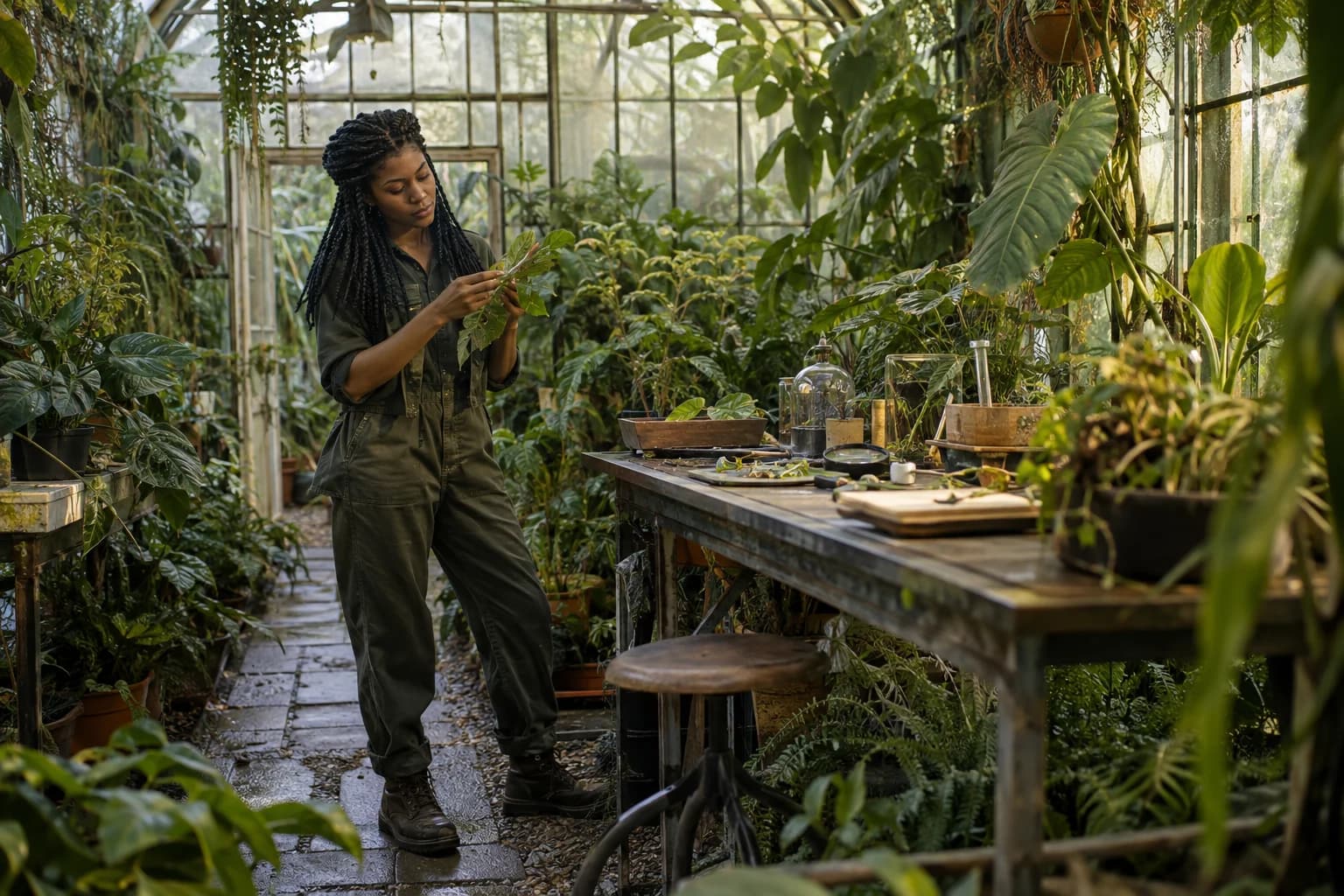
a botanical illustrator
- WORKSPACE
- a greenhouse desk with pressed leaves and drawing tools
- COMPOSITION
- a waist-up portrait looking toward the plant table
- LIGHTING
- bright diffused greenhouse light
- PALETTE
- leaf green, paper white, and warm wood
Demo 3 keeps the a botanical illustrator as the clear focal direction while preserving the prompt's a waist-up portrait looking toward the plant table and bright diffused greenhouse light.
Demo 04
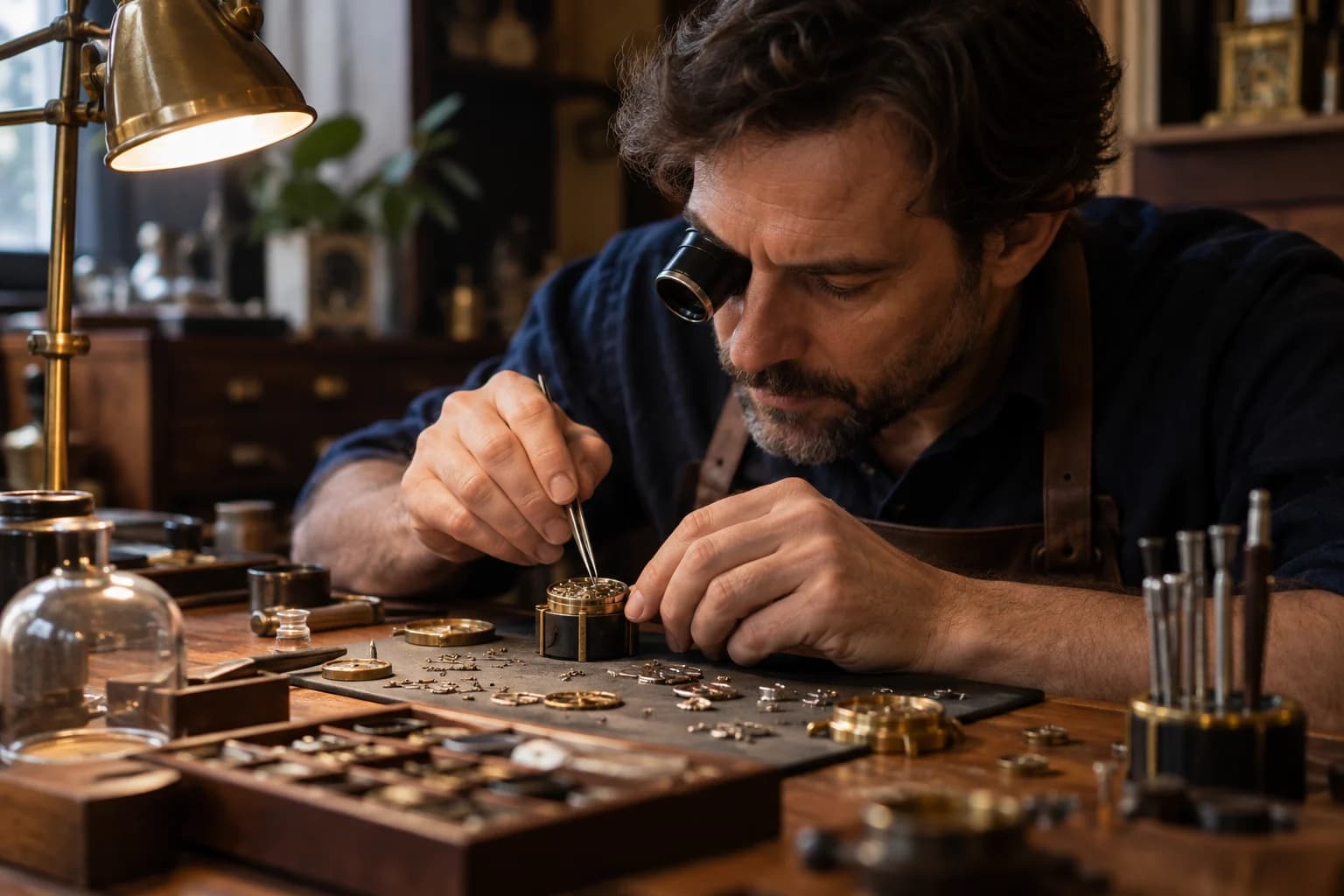
a community radio producer
- WORKSPACE
- a small sound booth with analog controls and headphones
- COMPOSITION
- a relaxed portrait through the open booth doorway
- LIGHTING
- low warm practical light with cool window fill
- PALETTE
- charcoal, amber, and pale blue
Demo 4 keeps the a community radio producer as the clear focal direction while preserving the prompt's a relaxed portrait through the open booth doorway and low warm practical light with cool window fill.
Consistency / testing notes
Person-to-practice connectionCONSISTENT
Each portrait makes the subject's workspace an intentional part of the story.
Natural expression and anatomyMOSTLY CONSISTENT
The portraits are understated and usable, with expected variation in hands and facial detail.
Environmental depthCONSISTENT
Foreground tools and background workspace create readable portrait context across the set.
All four demos use final master prompt version v1-b2-environmental-practice-3x2; only declared variable values changed. Four authentic generations were assessed as one set.
Tips for better results
- Use tools as context rather than visual clutter.
- Give the subject a simple, believable action or gaze direction.
- Keep recognizable personal information out of the scene.
Limitations
- Generated faces and identities are not evidence of real people.
- Tools and workspace details may be inaccurate.
- A portrait must not imply consent, credentials, or documentary truth.