

Vintage & Artistic
Memory-Rich Vintage Still Lifes
A reusable image-generation prompt for quiet vintage still lifes where domestic objects carry a sense of memory through material and film texture.
Featured real result
What this prompt produced
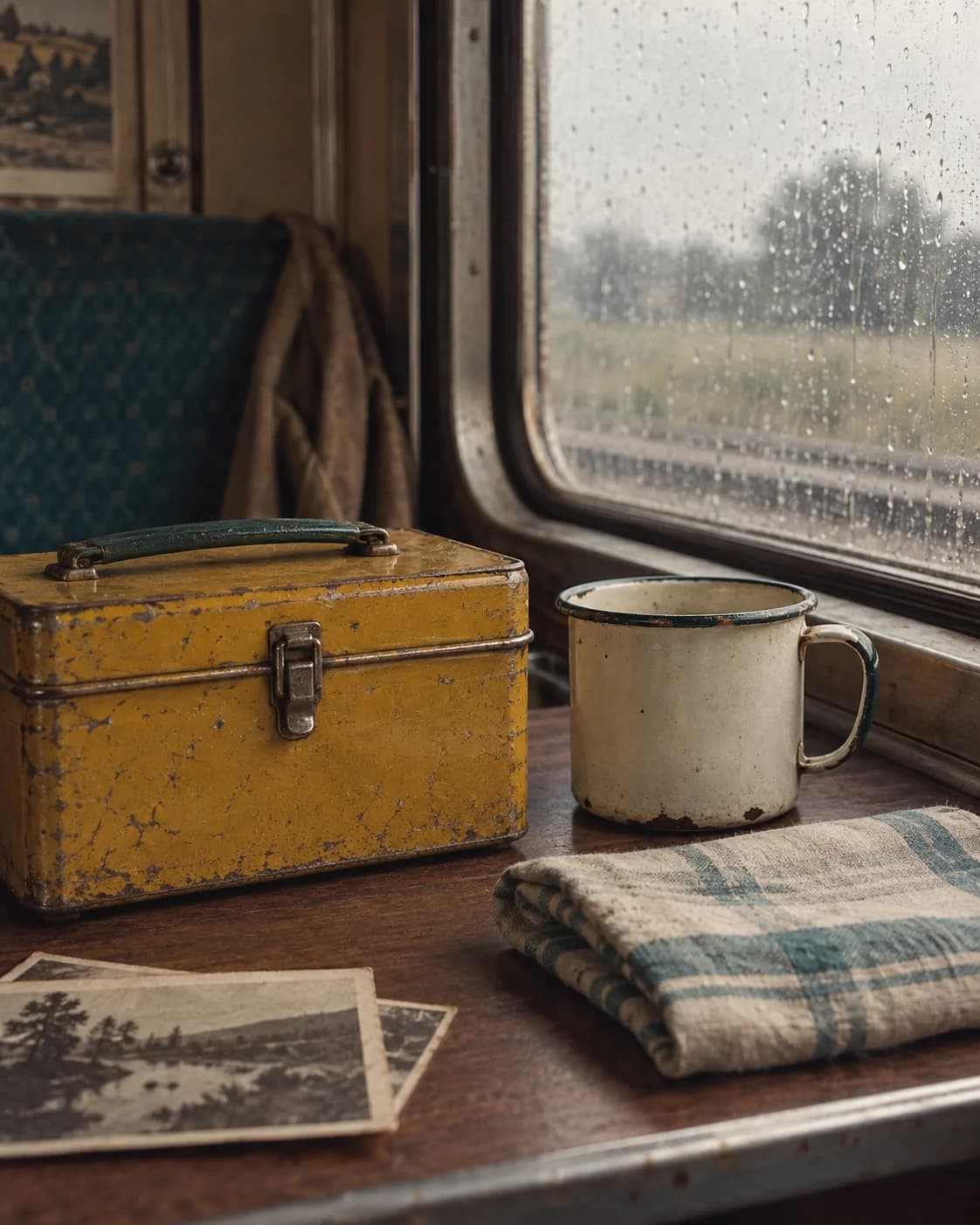
Demo 1 keeps the a tin lunchbox, handwritten-free postcard shapes, and a wool scarf as the clear focal direction while preserving the prompt's a close still life with objects arranged like a returned journey and dusty afternoon window light.
The master prompt
Create a 4:5 vintage editorial still-life photograph for a prompt about memory-rich domestic objects. Subject: [SUBJECT]. Setting: [SETTING]. Composition: [COMPOSITION]. Light: [LIGHT]. Palette and film treatment: [PALETTE]. Use period-appropriate objects and tactile analog texture, with a quiet narrative and realistic materials. No readable text, logos, watermarks, modern branding, or duplicated objects.
Visual direction
Style: Quiet vintage editorial still-life photography with analog tactility, domestic narrative, and restrained period detail.
Lighting: Dusty afternoon, cloud, golden curtain, and cool morning light shape distinct but related memory moods.
Composition: Close, top-down, bedside, and shelf arrangements keep a small group of objects narratively legible.
Variables
- SUBJECT — memory-bearing domestic objects
- SETTING — period-appropriate home context
- COMPOSITION — quiet still-life arrangement
- LIGHT — period atmosphere and direction
- PALETTE — film and material treatment
How to use it
- Choose objects with an implied personal history but no real identifying information.
- Keep the prompt stable when comparing domestic memories.
- Inspect period accuracy, accidental text, and modern branding before use.
Same master prompt, different variables
Demo variations
Demo 01
a tin lunchbox, abstract postcard shapes, and a wool scarf
- SETTING
- a modest 1960s hallway console
- COMPOSITION
- a close still life with objects arranged like a returned journey
- LIGHT
- dusty afternoon window light
- PALETTE
- faded red, tobacco, and cream
Demo 1 keeps the a tin lunchbox, handwritten-free postcard shapes, and a wool scarf as the clear focal direction while preserving the prompt's a close still life with objects arranged like a returned journey and dusty afternoon window light.
Demo 02
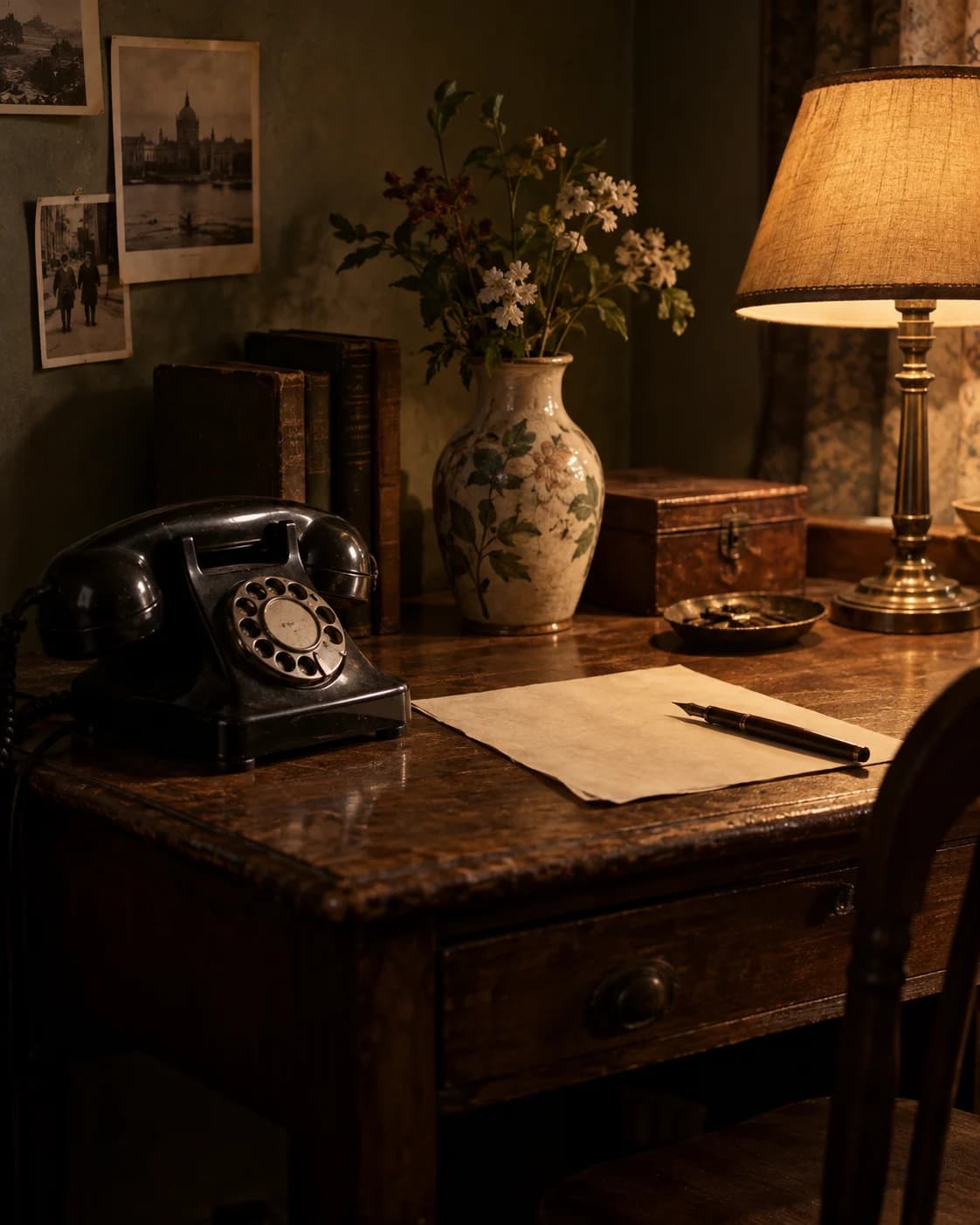
a sewing basket, wooden thimble, and unfinished patchwork
- SETTING
- a quiet mid-century bedroom table
- COMPOSITION
- a top-down domestic arrangement with cloth edges entering frame
- LIGHT
- soft cloudy daylight
- PALETTE
- moss, faded rose, and linen
Demo 2 keeps the a sewing basket, wooden thimble, and unfinished patchwork as the clear focal direction while preserving the prompt's a top-down domestic arrangement with cloth edges entering frame and soft cloudy daylight.
Demo 03
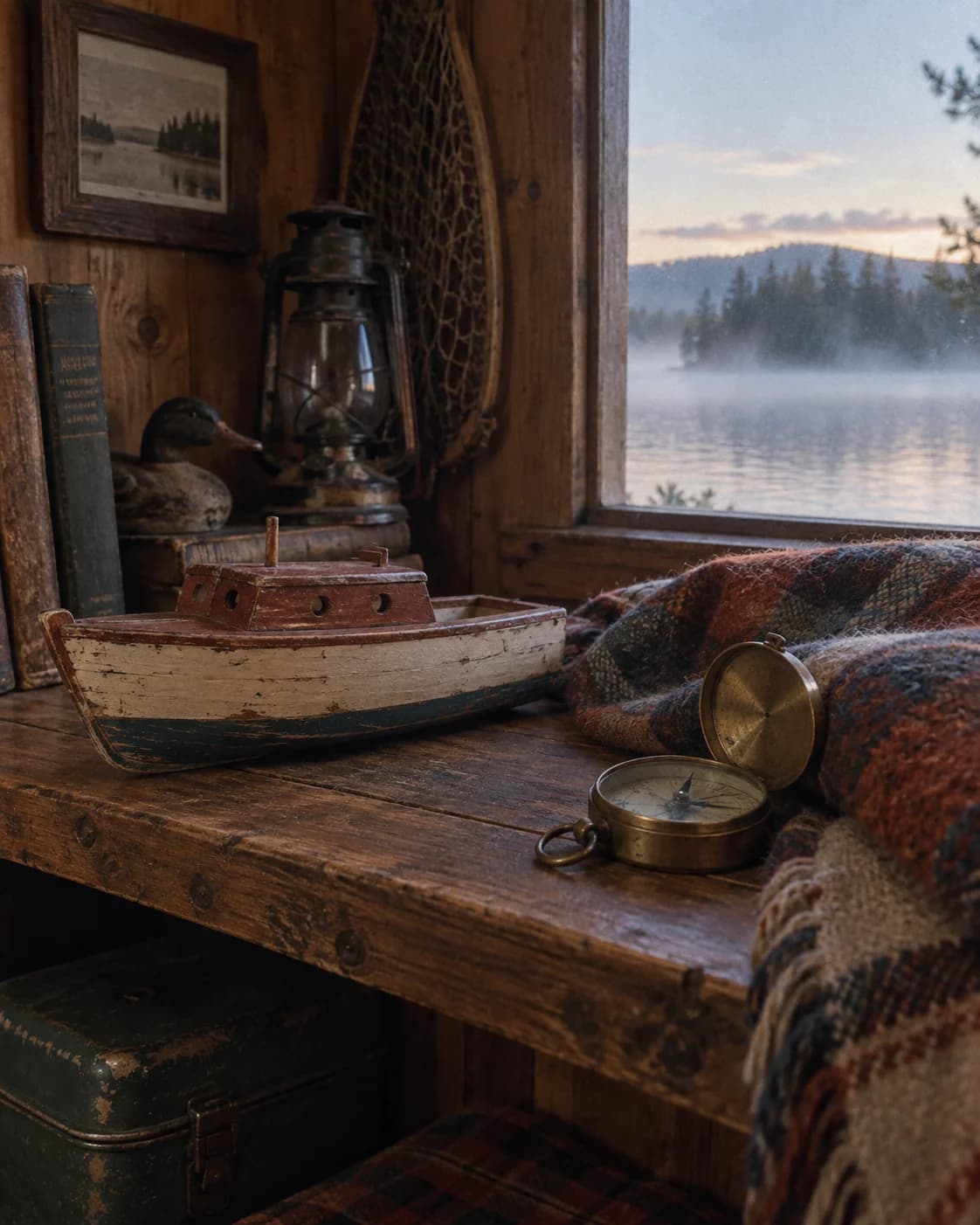
a brass alarm clock, a book with no readable cover, and dried flowers
- SETTING
- a rented room with a lace curtain
- COMPOSITION
- a three-quarter bedside composition with a long shadow
- LIGHT
- late golden light through the curtain
- PALETTE
- ochre, brown, and muted blue
Demo 3 keeps the a brass alarm clock, paperback without readable cover, and dried flowers as the clear focal direction while preserving the prompt's a three-quarter bedside composition with long shadow and late golden light through the curtain.
Demo 04
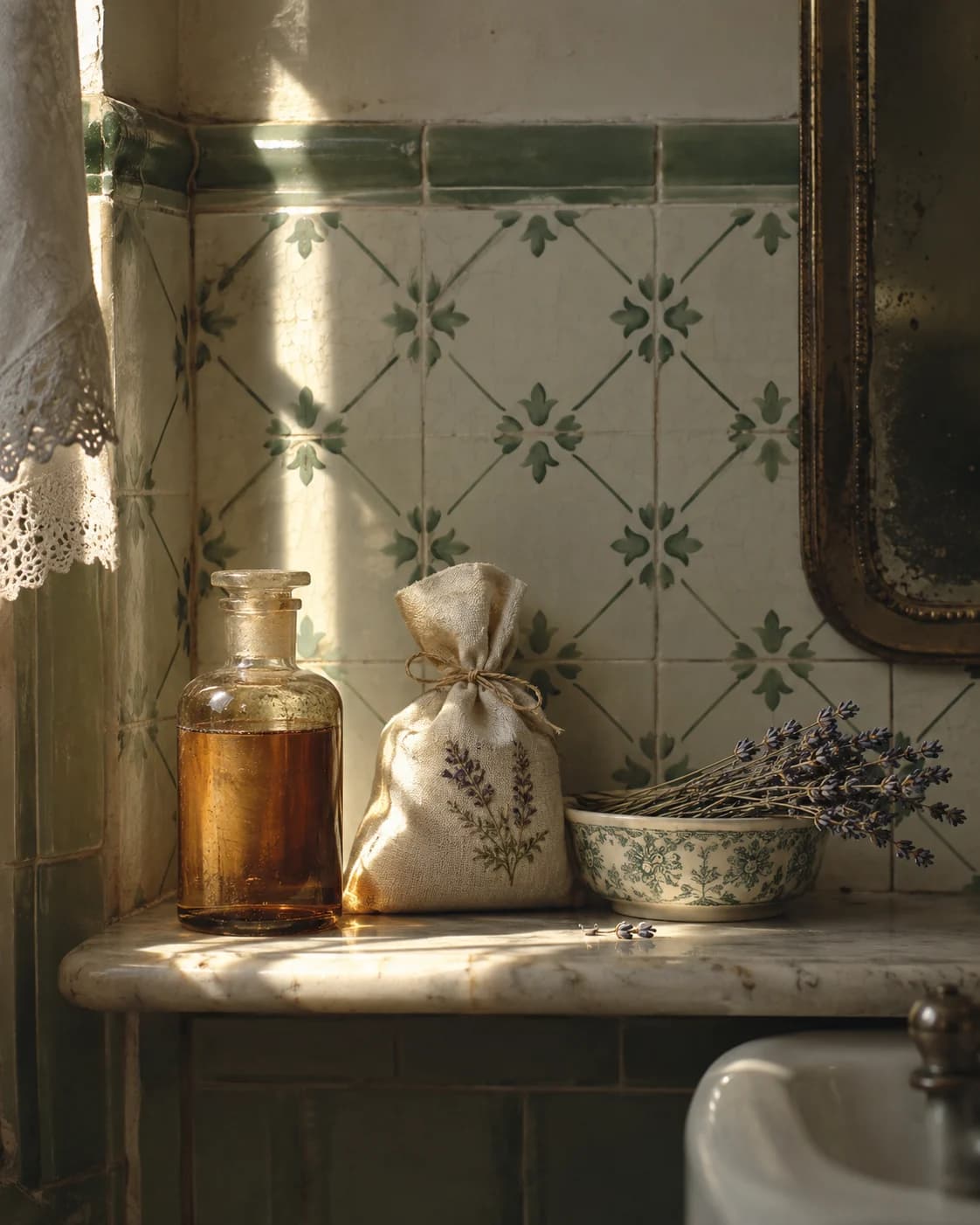
a ceramic bird, blank matchbox, and old kitchen key
- SETTING
- a worn enamel shelf beside a tiled kitchen
- COMPOSITION
- a centered shelf portrait with layered patina
- LIGHT
- cool morning light with gentle bounce
- PALETTE
- enamel white, teal, and rust
Demo 4 keeps the a ceramic bird, matchbox without text, and old kitchen key as the clear focal direction while preserving the prompt's a centered shelf portrait with layered patina and cool morning light with gentle bounce.
Consistency / testing notes
Quiet domestic narrativeCONSISTENT
Each still life suggests personal history through a restrained group of household objects.
Period material languageMOSTLY CONSISTENT
Patina, enamel, wool, brass, and paper stay tactile, with expected period-detail variation.
Object readabilityCONSISTENT
The small object groups remain identifiable without relying on generated readable text.
All four demos use final master prompt version v1-b2-memory-rich-vintage-4x5; only declared variable values changed. Four authentic generations were assessed as one set.
Tips for better results
- Use patina and material wear as narrative cues.
- Keep the object group small enough to read immediately.
- Add exact captions or archival labels only in a later design pass.
Limitations
- Generated objects may mix periods or contain inaccurate details.
- Any apparent written material should be treated as non-readable.
- The image does not authenticate a real memory, person, or historical artifact.